Insights
33 articles · Page 3 of 3
The 35% Rule: Singapore's New En Bloc Bill Makes Starting a Collective Sale Harder Than Finishing One
Everyone is reading the headline numbers — 70% and 65%. The number that will actually decide which ageing condos sell is the one at the front of the process, not the end.

Zion Road Cleared, Upper Thomson Didn't: URA's Long-Stay Serviced Apartment Pilot Has a Location Problem
Three government sites tested the SA2 long-stay category. Only the prime one drew a bid — and that tells private landlords more about their own rental income than any index does.

Orchard Boulevard and Marina Gardens Lane: The State Just Set the Price Every En Bloc Seller Has to Beat
URA has put two prime 99-year plots on the market with tenders closing in October — and their bids, not the new en bloc consent thresholds, will decide which ageing estates actually sell.
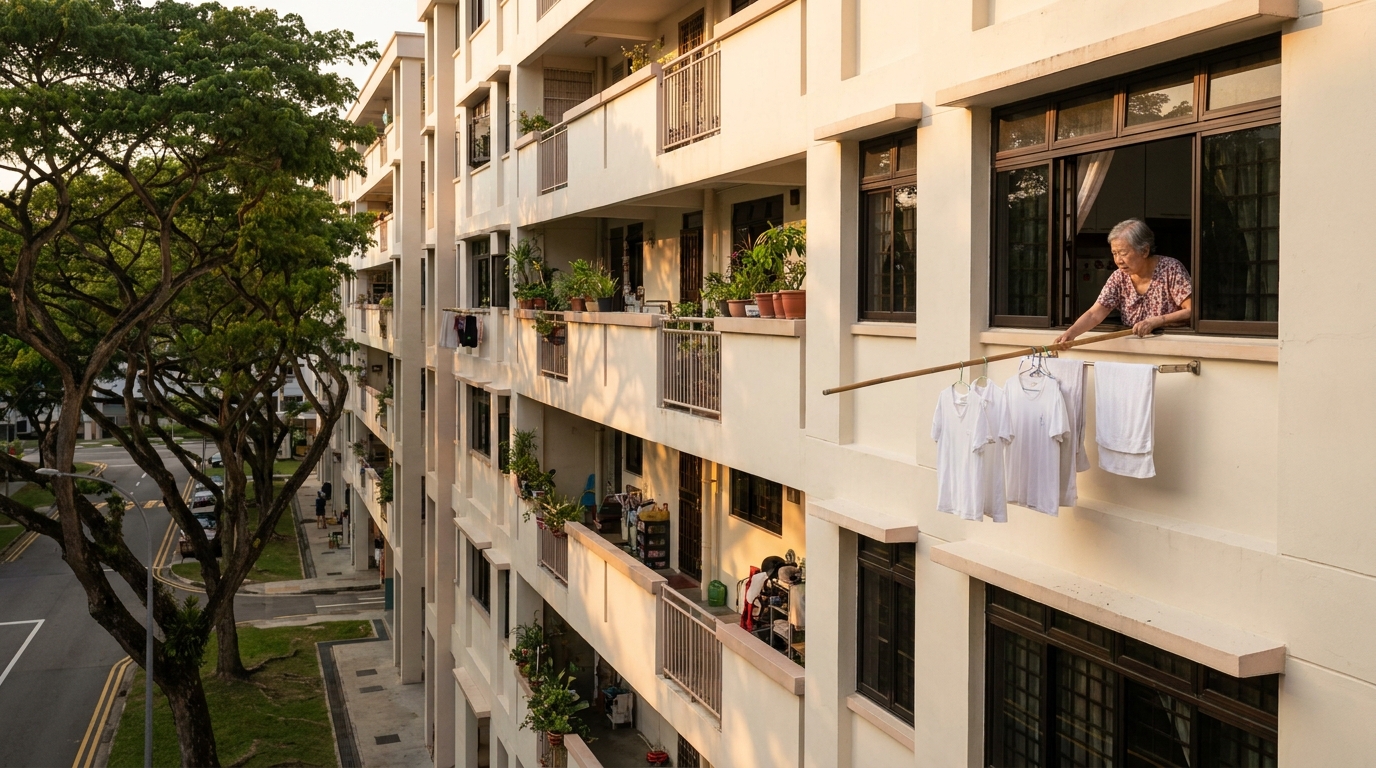
Condo to HDB, No Waiting: The Squeeze Now Lands on 5-Room and Executive Flats
The removal of the 15-month wait-out period does not release demand evenly — it channels well-capitalised private sellers into the one slice of HDB stock that the incoming MOP wave replenishes least.
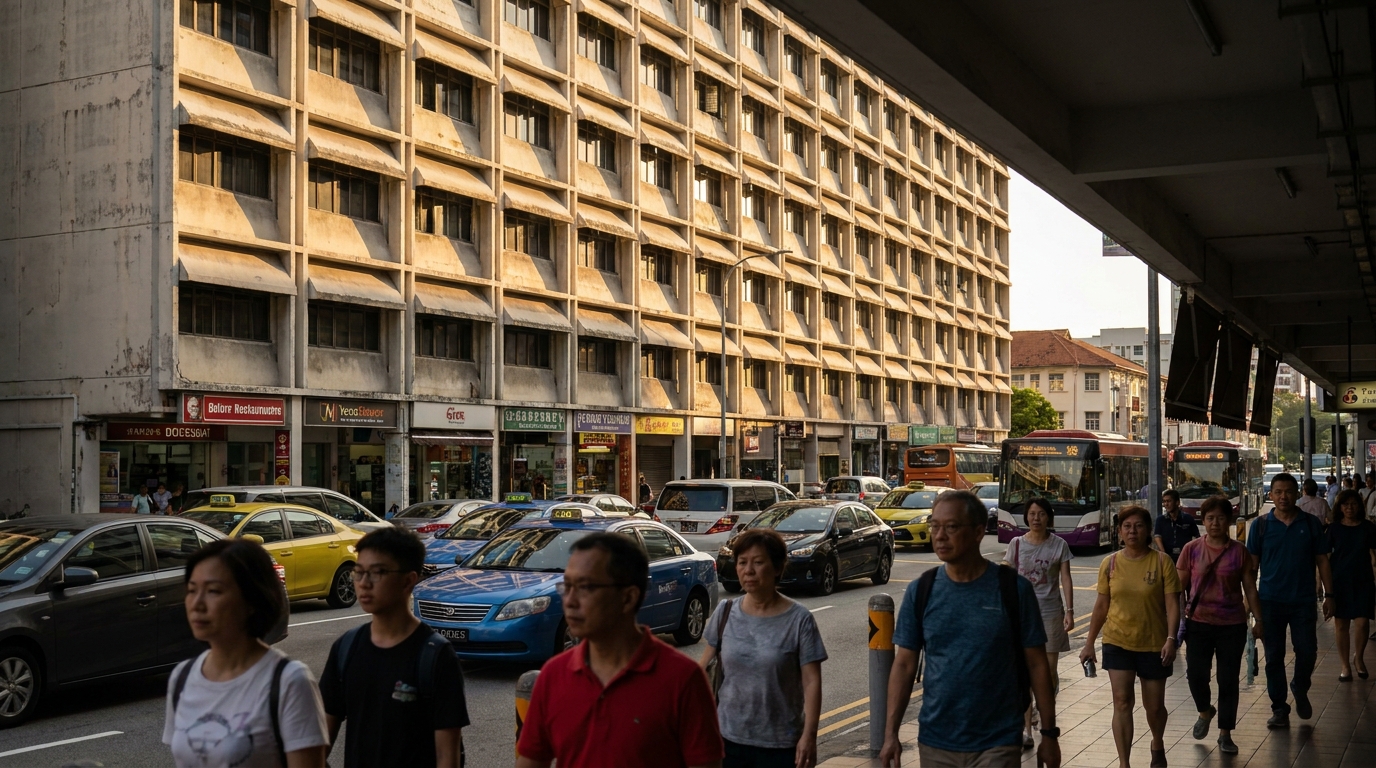
City Plaza's $970 Million En Bloc: The Price Never Moved. The Mandate Did.
Eight years, three attempts and the same guide price as 2021 — what finally changed at City Plaza was consent and planning clarity, not the number.
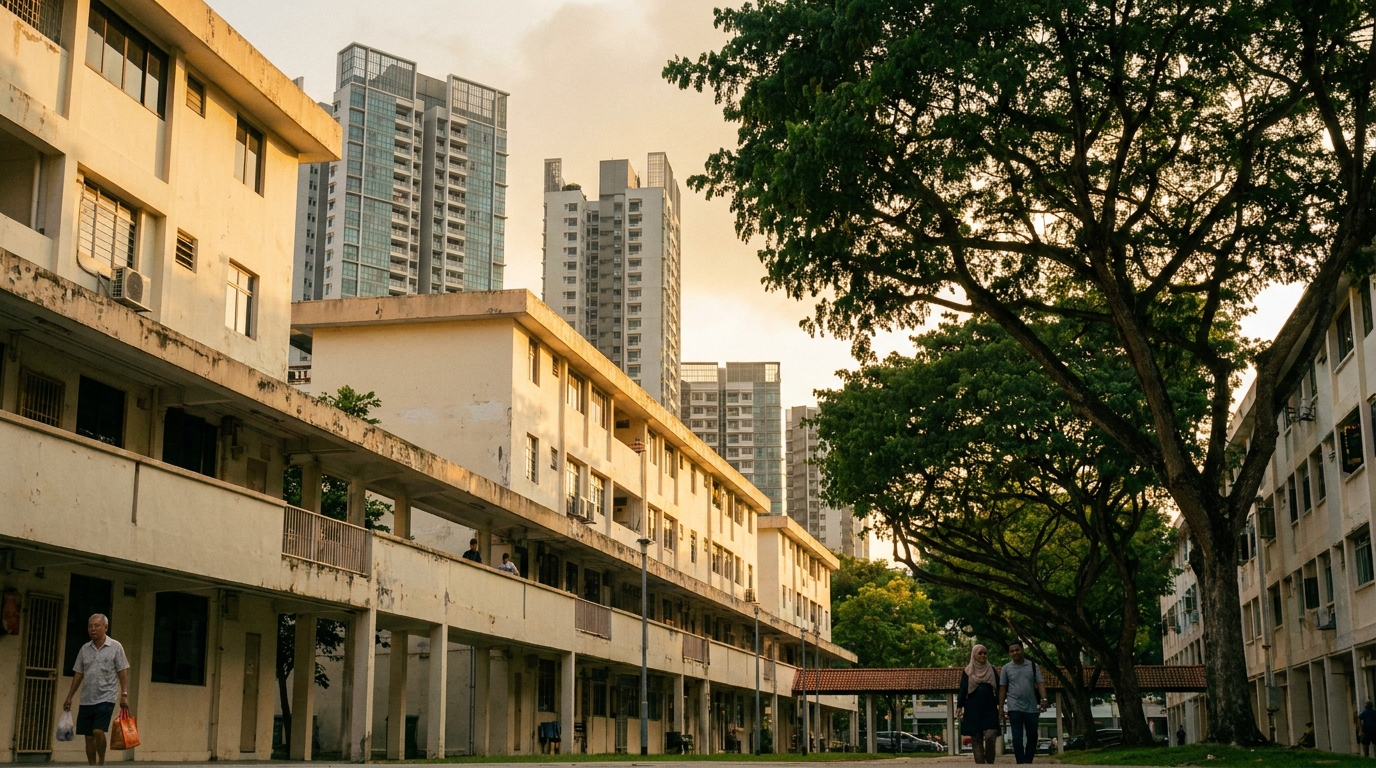
The 70% En Bloc Rule: What Falling Consent Thresholds Really Do to Pine Grove-Era Estates
A Bill tabled on Aug 4 would cut the collective sale consent bar to 70% for developments aged 40 to 59 and 65% for those 60 and older — a narrow reform with concentrated consequences.
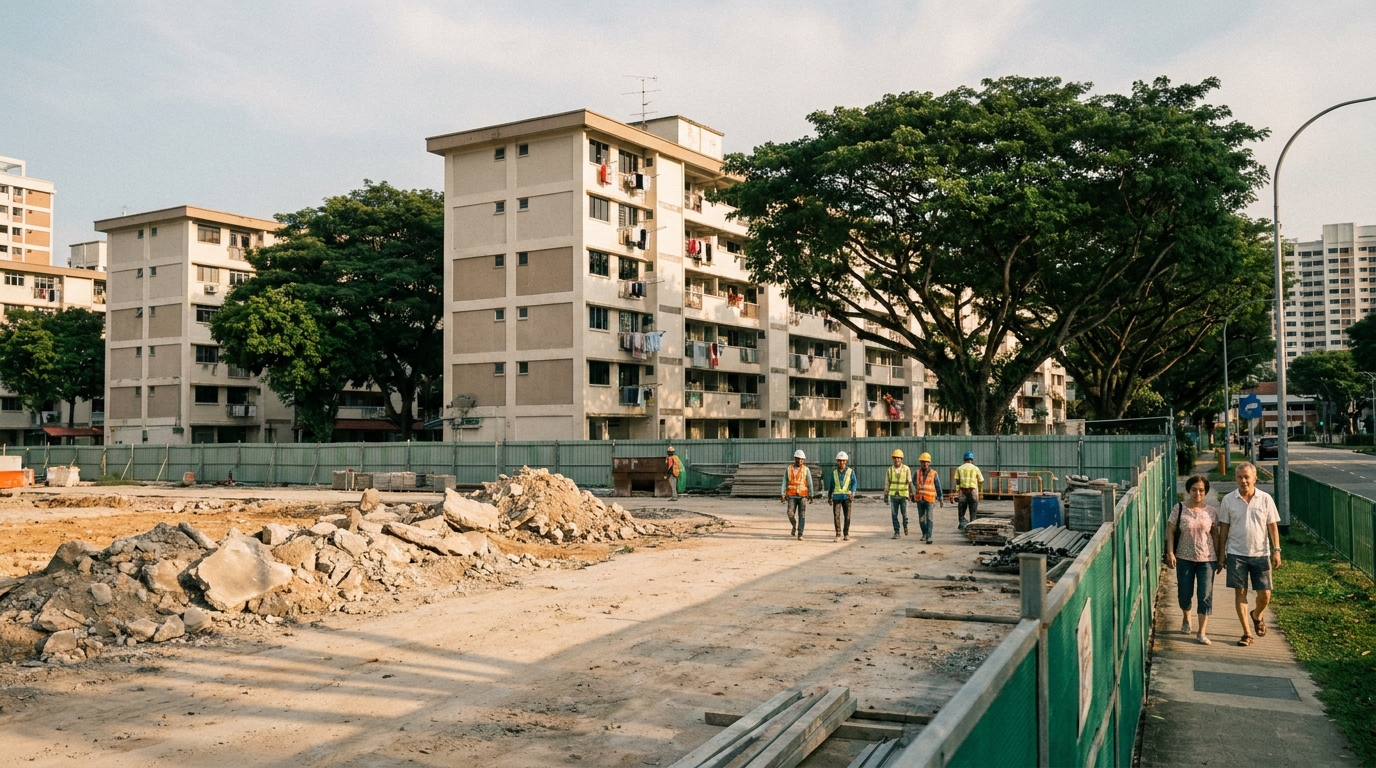
Thomson Reserve: The 12% Haircut That Will Set the Price on Bright Hill Drive
Thomson View's owners took S$110 million less than they first asked. That discount, not the marketing, is what will decide how Thomson Reserve prices in District 20.
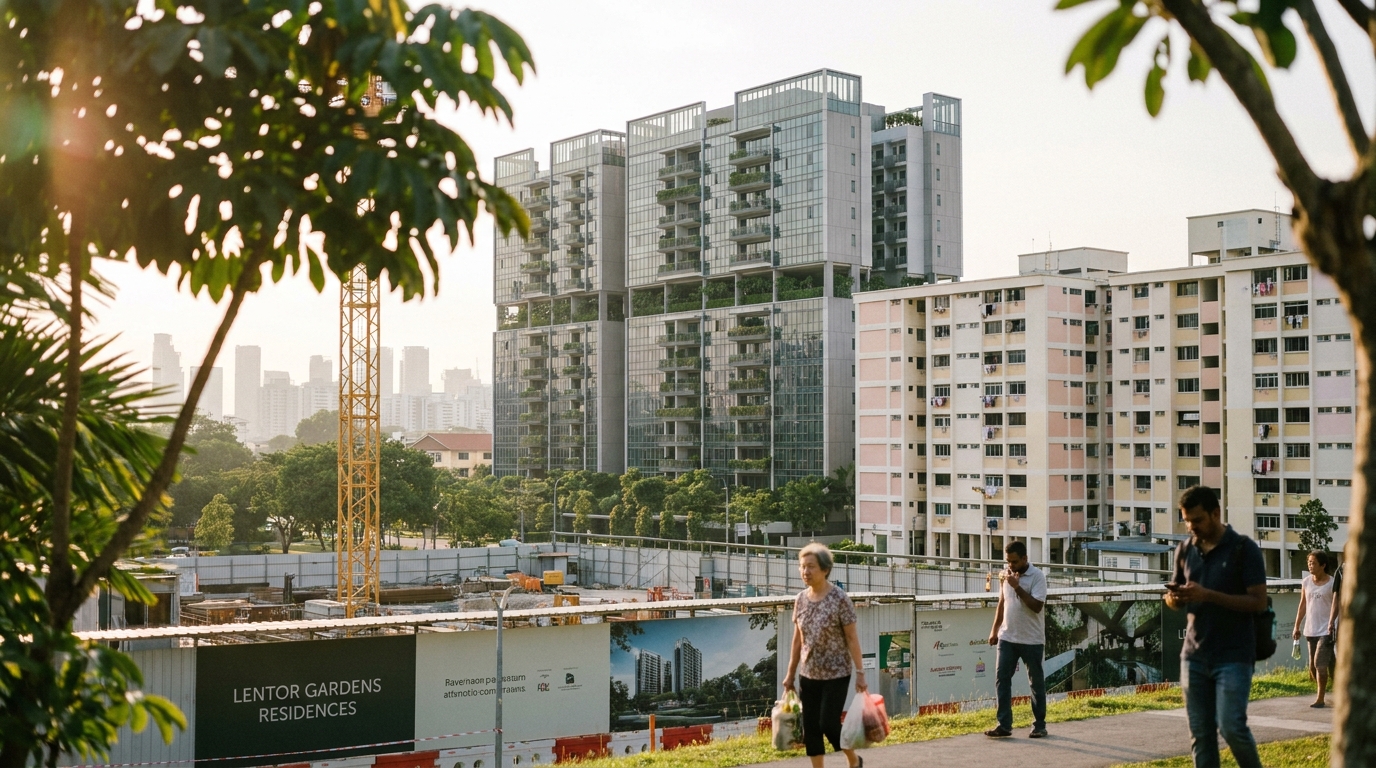
Lentor Gardens Residences and the Problem With Being the Neighbour
In an estate built almost entirely in one go, the toughest competition for a Lentor plot isn't another district — it's the block across the road.

Seven Years, One Tripwire: Singapore's New Developer ABSD Deal for Mega En Bloc Sites
MOF and MND have stretched the ABSD remission clock to six and seven years for large and mega collective sale sites — but the Year-Six 50% sales test is the rule that will actually decide which estates get redeveloped.